Trojan Horse Icon: A Modern Graphic for Editorial and Web Design
First Impressions of the Trojan Horse Icon
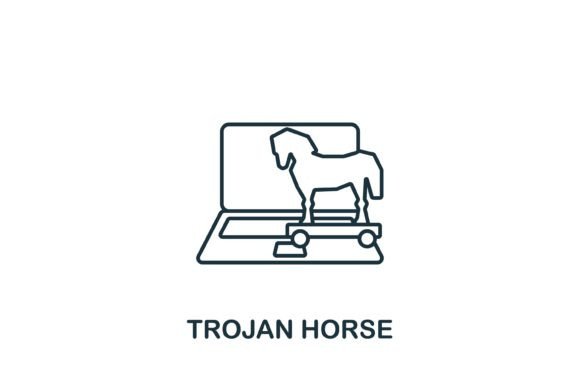
The Trojan Horse Icon immediately stands out as a clean, minimalistic graphic that captures the essence of cybercrime with a simple line element. Its design feels modern and professional, making it an excellent choice for content creators who want to convey a message of caution or security without overwhelming the viewer.
This icon exudes a sense of editorial clarity and visual restraint. It doesn’t scream for attention but instead offers a subtle yet impactful presence. The cybercrime symbol aspect makes it ideal for niches related to cybersecurity, digital safety, IT education, or even tech-related affiliate marketing content.
Visual Communication and Reader Perception
When placed within a blog post or website layout, the Trojan Horse Icon can influence how readers perceive the content. Its clean lines and bold form suggest professionalism and reliability, which is especially valuable in content that needs to build trust quickly—such as guides on online security or tutorials about phishing prevention.
The simple line element ensures it doesn’t compete with the text or other visuals. This makes it perfect for editorial layouts where visual hierarchy is crucial. Whether used as part of a featured image or embedded into a downloadable resource, it maintains its clarity and relevance.
Real Publishing Workflow Applications
As a blogger preparing visuals for a cybersecurity-focused website, I see multiple use cases for the Trojan Horse Icon. It could serve as a hero image for a guide titled “How to Spot Cyber Threats,” or as an accent in a Pinterest pin promoting a digital download on password security.
It’s also effective for blog featured images, Pinterest graphics, article headers, and newsletter banners. When paired with a strong headline, it reinforces the theme of the content while adding a touch of visual interest.
In digital guides or lead magnets, the icon could be used to highlight sections about malware protection or data privacy. For Canva templates or printable designs, its versatility allows for easy customization across various formats and sizes.
Supporting Content Performance
Using the Trojan Horse Icon can significantly enhance the performance of your content. Its presence improves the visual hierarchy, helping readers navigate through information more effectively. In turn, this can lead to better click-through potential and increased engagement on your blog or affiliate pages.
Consistency in branding is another benefit. By incorporating this icon into your brand identity, you create a stronger visual connection between your content and your audience. Readers begin to recognize your style, which builds reader trust over time.
For affiliate marketing or content marketing efforts, the icon adds a layer of professionalism that can make your promotional materials stand out from the competition. It supports a more polished look across all digital products and downloadable resources.
Where This Icon Works Best
The Trojan Horse Icon shines in situations where a clear, recognizable symbol is needed. It works well as a hero image for landing pages, as a category visual in a blog archive, or as an editorial accent in articles discussing digital threats.
Its simplicity makes it ideal for Pinterest pins, social media previews, and blog graphics that need to communicate a message quickly. It can also be used in content upgrades like printable checklists or worksheets focused on cybersecurity awareness.
Where to Use with Caution
While versatile, the Trojan Horse Icon may not be the best fit for every situation. It should be used carefully in small mobile thumbnails, where its details might get lost. Similarly, it might not work well in text-heavy blog images or low-contrast backgrounds, where it could become difficult to read.
On websites with a very minimal visual system or those targeting serious professional niches, it may feel too symbolic or playful. Always consider the tone and context of your content before using it.
Publisher Notes for Practical Use
Before finalizing any design using the Trojan Horse Icon, test it on both desktop and mobile screens. Check how it looks as a thumbnail and preview it inside a real blog layout. Test it with different headline texts to ensure it complements the typography.
Review the contrast and readability of the icon against various background colors. Try it in black and white to assess its effectiveness in grayscale contexts. Place it beside different font styles—serif, sans serif, script, handwritten, and display—to see how it interacts with text.
Also, review the file size for web performance and compress images properly if needed. Confirm the commercial license before using it on monetized websites, affiliate pages, or paid content products.
By following these steps, you can ensure that the Trojan Horse Icon enhances your website branding, editorial content, and digital downloads with a consistent and professional aesthetic.